
Subscribe to this Newsletter and connect with me on LinkedIn!
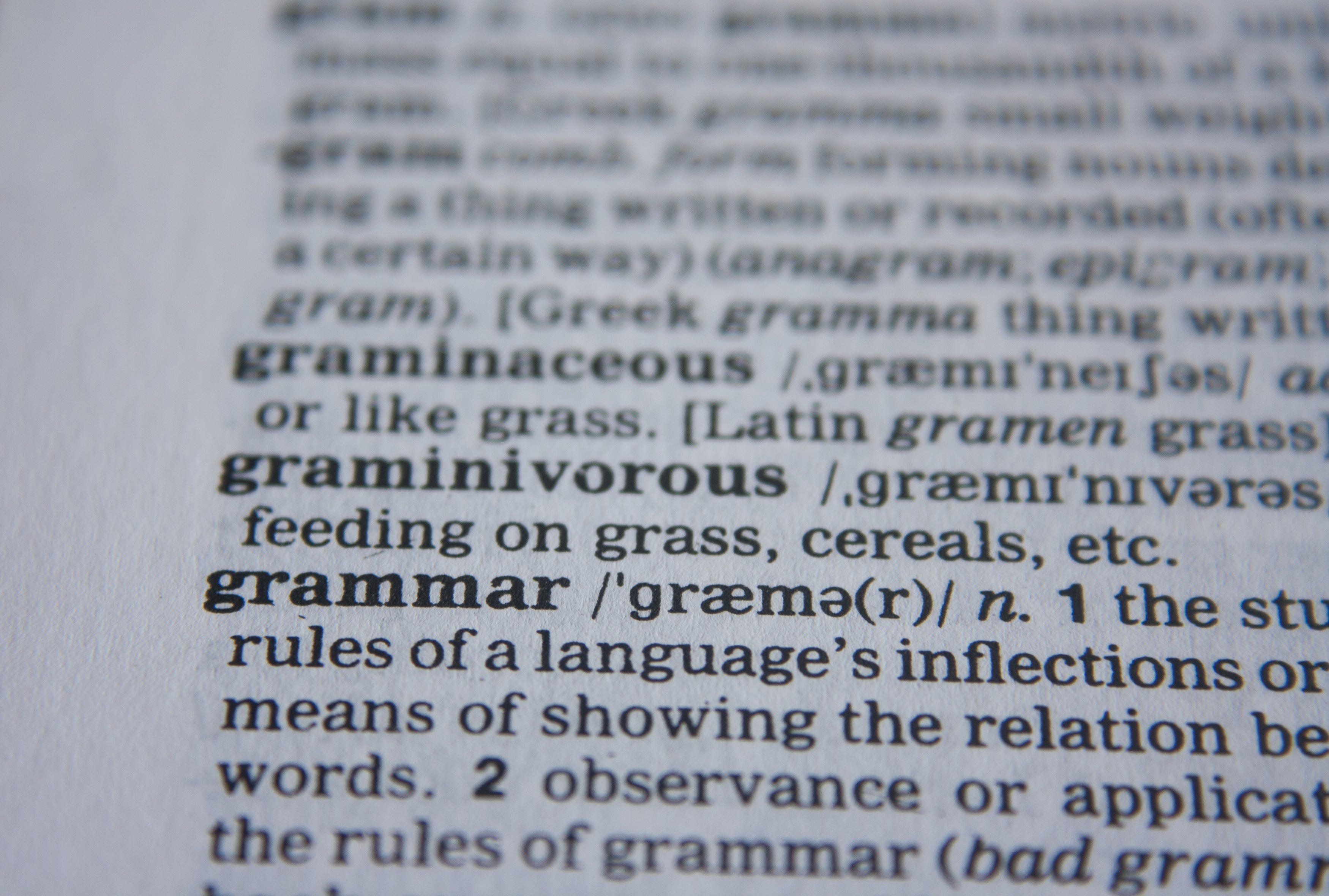
Inevitably if you read as often as I do, you will come across a typo of one sort or another. Maybe someone incorrectly used there, their, they’re, your, you’re, effect, affect, its, it’s, then, than, or one of the other strange spellings found in the English language. Maybe it’s a simple tpyo they missed while meeting their deadline. Perhaps they make an analogy or create a metaphor that does not translate whatsoever.
In the past, when I would come across these sorts of mistakes (especially from professional writers) I would scoff at what I viewed as an “obvious mistake.”
“How could someone who writes for a living possibly make such an egregious error?” I would ask, “Why, I could do a better job if only someone would pay me!”
Once I started producing consistent content however, I realized what a fool I was to think this. Turns out, even if you’re a careful reader, you can miss common mistakes you think you would catch every time. I’ll find myself rereading a post or email I sent out thinking it was perfect, only to discover I used an incorrect word (or even worse, didn’t finish a !)
The irony is that so few people will comment on the mistakes I make, but each one stands out to me like someone keyed my car.
Your customers aren’t concerned about your spelling errors, they’re concerned with the service or product you provide. Your audience isn’t interested in constantly critiquing your form, they want to consume what you put out there. A mental hurdle that took me far too long to overcome was needing everything I did to be perfect before it went out. The same went for cold calls, I would fret over any potential outcome of a conversation without ever speaking to someone who (obviously) could benefit from my product.
Now, some of this new found confidence came from increased technical knowledge about manufacturing and cold sawing. The rest though came with removing perfection on my hierarchy of goals and replacing that with consistency. It didn’t happen overnight, but through minor behavioral changes I became more productive, and seeing the pay off in my bottom line was the only encouragement I needed to keep the change.
So my apologies to the writers I’ve mocked in my brain, and my apologies for the typos that will occur in this series. I hope the consistency will overcome your grammatical desires.